
Budgeting When Prices Keep Rising (and Why I Quit 4 Apps)
Let me start with a confession: I have downloaded four budgeting apps this year. I have opened two of them. I have used one, for eleven days, before it sent me a notification that said “You’ve exceeded your dining budget” and I felt personally attacked by my own phone.
But here’s the thing nobody tells you about budgeting as a woman in her late twenties in this economy: it’s not about restriction. It’s about knowing where the money goes before it disappears, because it will disappear. Rent went up. Groceries went up. That one pair of jeans that fit perfectly? Discontinued. Of course.
Why I kept quitting
I didn’t quit those apps because I’m bad with money. I quit because they were built for a life that isn’t mine.
The pattern was always the same. Two good weeks. Then a pile of uncategorised transactions I never wanted to open again. The bank connection would quietly break, and I’d have no idea whether I’d stopped spending or the app had stopped looking. The categories were wrong, so a birthday gift and my weekly groceries ended up in the same bucket like they meant the same thing. And the subscription kept charging me long after I’d stopped opening it, which is a special kind of irony for a budgeting tool.
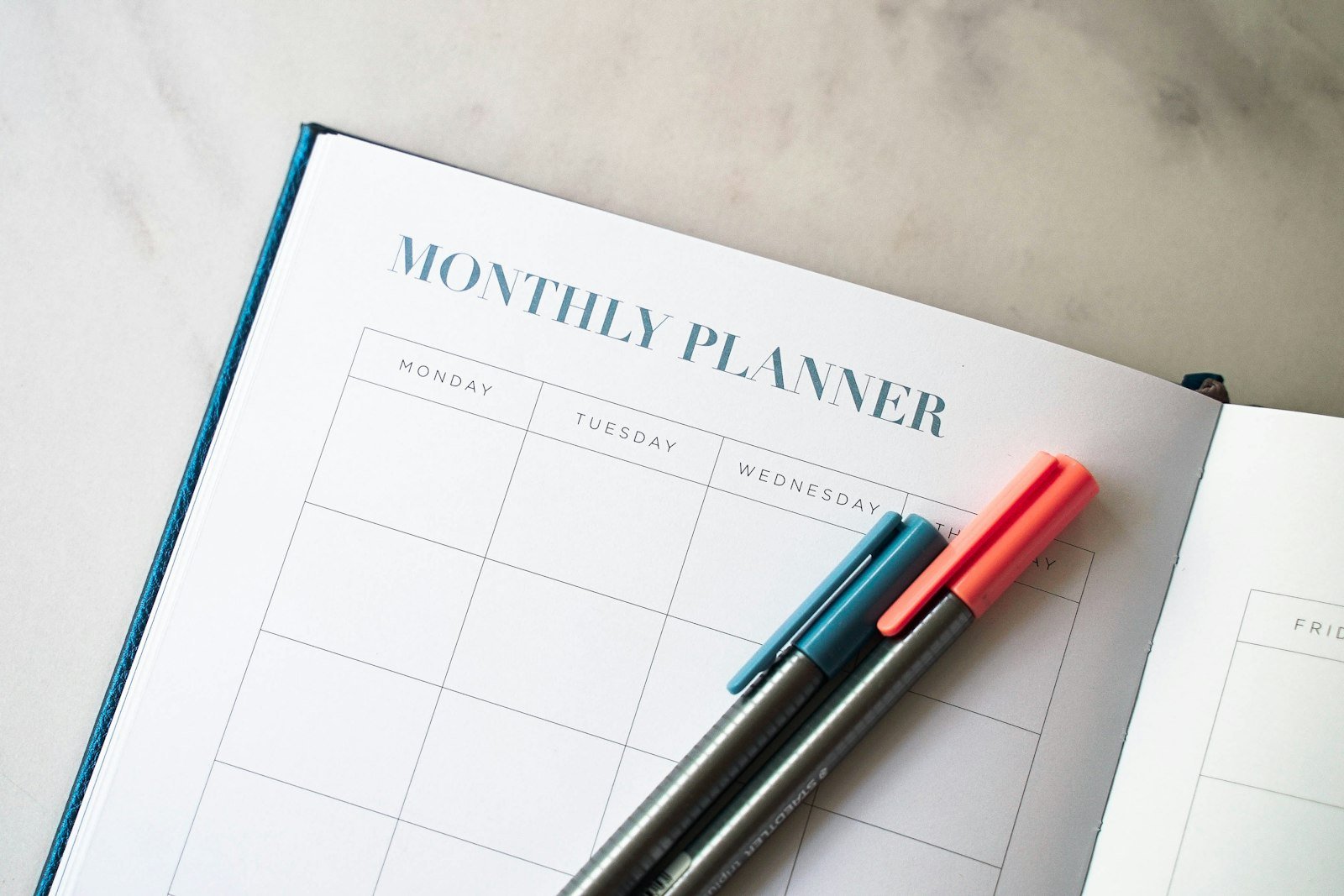
The beautiful printable planners weren’t much better. Gorgeous pages, a monthly budget box, a savings thermometer to colour in. Lovely for January. By March, mine was a very expensive notebook.
What most trackers get right
To be fair, the good ones share a solid core, and any tracker worth paying for should have it:
- Income and expenses: what comes in, what goes out, every month.
- Monthly and yearly overviews: so you can see the shape of your year, not just this week.
- Savings goals: a target, a deadline, and progress you can actually see.
- Debt payoff: a plan for paying things down, not just a scary total.
- Sinking funds: money set aside bit by bit for things you know are coming.
- Net worth: the big picture, even when it’s humbling.
What almost all of them are missing
Here’s where they lose me, and probably you:
- Irregular income: they assume one neat salary on the same day every month. Freelancers, side hustlers and anyone paid in bits and pieces get left out.
- Real-life money: the money you send home to family, the friend who still owes you from that trip, the bill you split with your partner. Real money is social. Most trackers pretend it isn’t.
- Context: a number with no story is useless. Why did I spend that? Was it a one-off or a pattern?
- Kindness: red numbers, warning alerts and guilt. That’s not a system. That’s a scolding.
So I made my own
I got tired of waiting for someone else to build it, so I did. It’s called SpendWise: a budget app that opens in your browser on your phone or laptop, keeps the solid core the good trackers have, and adds the parts they leave out.
- A two-minute set-up: your name, your currency (19 of them, naira included) and how you get paid. Or peek at sample numbers first.
- Built for real income: add your salary and your side hustle, each on its own schedule (weekly, every two weeks, twice a month or monthly).
- What’s safe to spend today: the one number I always wanted, worked out after bills, debt payments and savings.
- A paycheck planner: it matches every bill to the paycheck that pays it, so rent never sneaks up on you.
- Money in, money out, with notes: every entry has space for context, so future you knows what present you was thinking.
- Your categories, your words: add your own. “Sending money home” and “Treat myself” are valid categories here.
- Bills and subscriptions calendar: see what’s due before it’s due, and catch the subscriptions you forgot you had.
- Savings funds for real life: birthdays, trips home, a new phone. It tells you how much to put in each month.
- Debt payoff planner: smallest debt first or most expensive first, your debt-free date, and the interest an extra payment saves.
- Goals with a daily plan: tell it how much and by when, and it works out what to save per day, per week and per month.
- Saving, but make it a game: no-spend streaks, a 52-week challenge you size yourself, and 100 surprise envelopes for any total you choose.
- Plain-English insights: what changed this month and where the money went, without the scolding.
- Yours to keep: a one-time purchase. No subscription, no bank connection to break, works offline, and only the gentle reminders you choose.
Start where you are
You don’t need my planner to start budgeting. You can do the basics today with a notes page: look at the last three months of spending, decide where your money goes before payday, move your savings first, build a small emergency cushion, and give yourself permission to enjoy some of it.
But if you’ve quit as many apps as I have, and you want something that understands the way money actually moves in your life, I made this for you. See what’s inside SpendWise in the Shop →
Budgeting isn’t about never buying the nice thing. It’s about being able to buy the nice thing without checking your balance with your eyes half-closed.
This post is general information, not personal financial advice. If you need advice for your situation, speak to a qualified financial adviser.