Exploring the Power of Gratitude: A Guide for Women
I’ll be honest: for years, “practise gratitude” made me roll my eyes. It sounded like something printed on a cushion. I was tired, my rent had gone up, and someone on the internet wanted me to write down three blessings. Babe, I wanted a nap.
Then I actually tried it, properly, and something annoying happened: it worked. Not in a “my life is perfect now” way. In a quieter way. I noticed more good things, and the bad days felt a bit less heavy.
What the research actually says
Gratitude isn’t just a wellness trend. Harvard Health summarises several studies:
- In one study by psychologists Robert Emmons and Michael McCullough, people who wrote weekly about things they were grateful for felt more optimistic and better about their lives after ten weeks than people who wrote about irritations. They even exercised more.
- In research by Martin Seligman, people who wrote and personally delivered a thank-you letter to someone who’d helped them saw a big jump in happiness that lasted around a month.
- Couples who expressed gratitude to each other felt more positive about their partner and more comfortable raising concerns.
Two honest caveats: these studies show a link, not proof that gratitude causes happiness, and it doesn’t work identically for everyone. But as low-cost, low-risk habits go, it’s a good one.
Gratitude is not toxic positivity
Let’s clear this up. Gratitude doesn’t mean pretending everything is fine. You can be grateful for your friend and furious about your landlord. You can be thankful for your job and exhausted by it. Gratitude sits alongside real feelings. It doesn’t replace them.
If anyone ever uses “just be grateful” to dismiss your pain, that’s not gratitude. That’s someone avoiding a hard conversation.
5 simple ways to practise gratitude (that aren’t cringe)
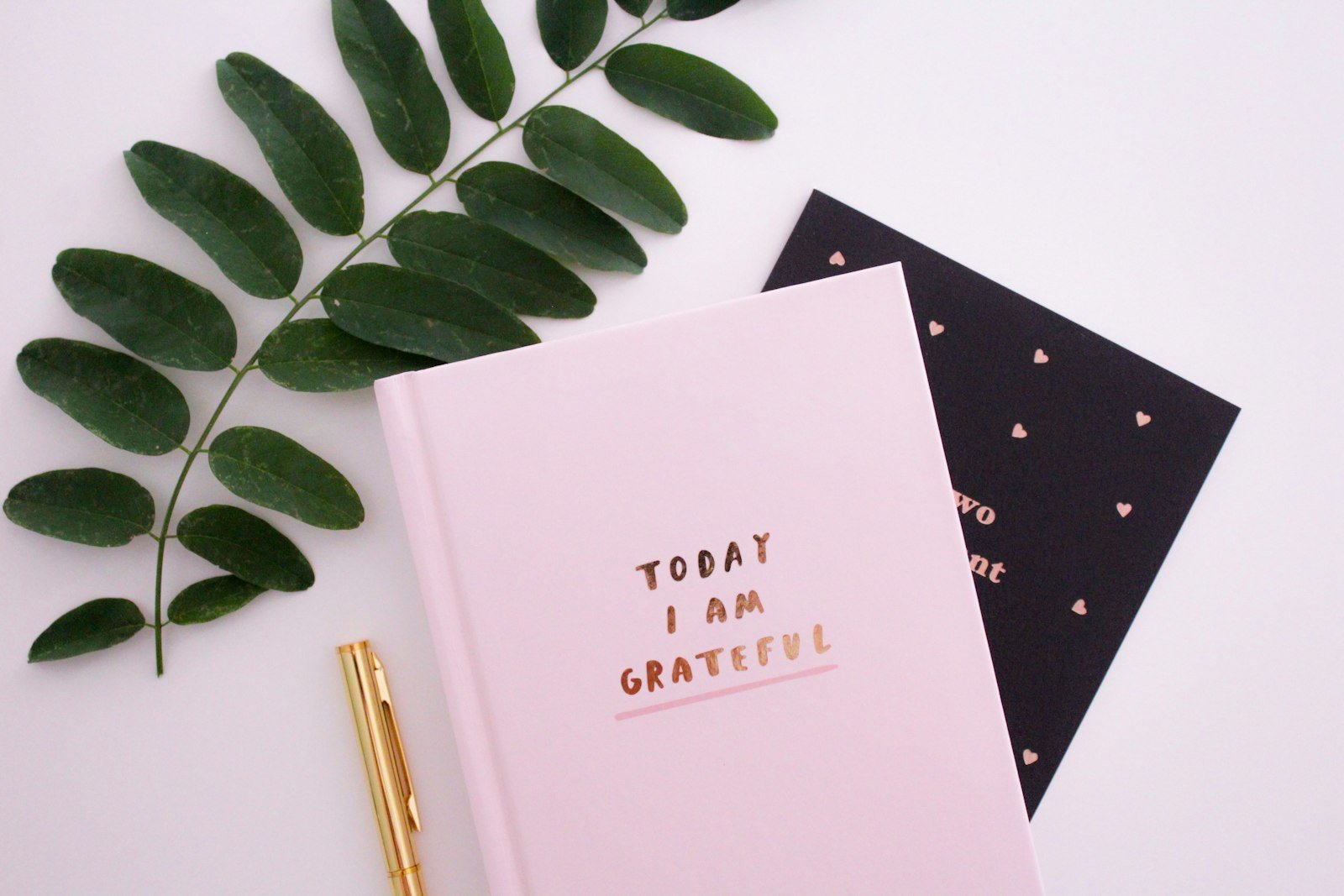
1. Three specific things, once a week. Specific beats general. Not “my family” but “my sister sent me a voice note that made me laugh on the bus.” Weekly is enough; daily can start to feel like homework.
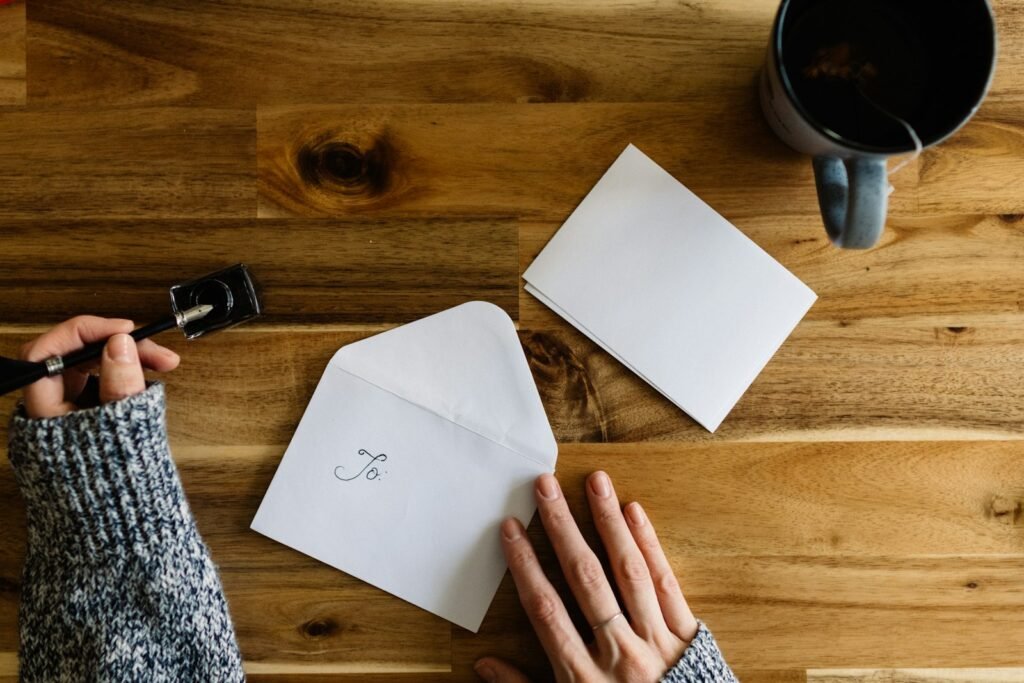
2. Write one thank-you letter. To a teacher, a mentor, an aunt, an old friend. Send it, or read it to them if you’re brave. Of all the methods in the research, this one had the biggest effect.
3. The end-of-day replay. Before you sleep, replay one small good moment from the day in detail. The coffee that was exactly right. The stranger who held the door. Ten seconds.
4. Thank people out loud, specifically. “Thank you for staying late to help me, it made a huge difference” lands so much better than a quick “thanks”. It’s good for them and for you.
5. Gratitude for yourself. Yes, really. What did your body, your brain or your stubbornness get you through this week? You’re allowed to be on your own list.
Make it stick
- Attach it to something you already do: Sunday tea, the commute, brushing your teeth.
- Keep it short. Three lines is a practice. Three pages is a project you’ll abandon.
- Mix it up. If the journal gets stale, switch to letters, voice notes or saying it out loud.
Gratitude pairs well with a few other small habits. My weekly rituals for a calmer life and mindfulness for people who can’t sit still are good companions. And the free 6-Month Life Reset Planner has space for a weekly gratitude check-in.
Start tonight: one specific good thing from today. Write it down. That’s the whole assignment.
— Sylvia